The first smartphone didn’t just pop up overnight; it was a result of lots of tech tinkering and creative thinking. Back in the early 90s, IBM rolled out the Simon Personal Communicator. This device was like a small brick but packed a bunch of features that would change the game.
The Simon had a touchscreen, which was pretty wild for its time. You could make calls, send emails, and even keep track of your calendar. All these functions in one device? Talk about a multitasker! It looked a bit different than what we use today, but it laid the groundwork for future smartphones.
Designed by International Business Machines (IBM), the Simon was released to the public in 1994. People were amazed that they could carry around something that felt like a mini computer. It wasn’t perfect, but that mix of phone and computer started a wave of innovation that led us to the smartphones we rely on today.
Over the following years, more companies jumped into the game, refining the idea and adding new features. This smorgasbord of tech paved the way for what would eventually be the smartphones we can't live without now, allowing us to stay connected anywhere, anytime.
Key Features of Early Smartphones
Early smartphones were revolutionary, packing features that changed the game. These devices combined the functionalities of a phone and a handheld computer. Here are some of the key features that made them stand out:
These features laid the groundwork for the smartphones we use today. They were powerful and portable, making life easier and connecting us in ways we never thought possible.
Impact on Communication and Technology
The first smartphone changed how we communicate forever. Before its arrival, making a call or sending a message usually meant being at home, attached to a landline. The smartphone brought mobility into the mix, which opened up a whole new world of possibilities. Suddenly, people could connect with friends and family anytime, anywhere.
Texting became the go-to way to chat. It was faster and easier than making a call. With the first smartphone, you could shoot a quick message without interrupting your day. Group chats took off, allowing everyone to stay in the loop without needing a long phone call. This quick and easy communication made it simpler to coordinate plans and share moments instantly.
The internet was also a game changer. For the first time, folks could access the web on their phones. No need to hunt for a computer or Wi-Fi spot. You could browse, shop, or check the news while waiting in line or on the bus. This level of connectivity made the world feel smaller and helped people stay informed on the go.
Social media exploded thanks to smartphones. Platforms like Facebook, Twitter, and Instagram became a part of daily life. People could share their experiences, thoughts, and photos instantly. This created new ways to connect and express ourselves, building online communities that span the globe.
Overall, the first smartphone flipped the communication game on its head. It made staying connected easier, faster, and more fun. Today, we can’t imagine life without these magical devices. They changed not just how we talk to each other but how we interact with the world around us.
Evolution of Smartphones Over the Years
Smartphones have come a long way since the first gadget hit the market. It wasn’t just about making calls anymore. The early models tried to combine a phone with a PDA, allowing folks to take notes and schedule appointments. Remember the first BlackBerry? It was a game changer. People loved having email at their fingertips.
As time went on, we saw bigger screens and better cameras. The introduction of the iPhone in 2007 marked a huge shift. Suddenly, touchscreens were the norm, and apps became a must-have. Everyone wanted to customize their phones with games, social media, and music.
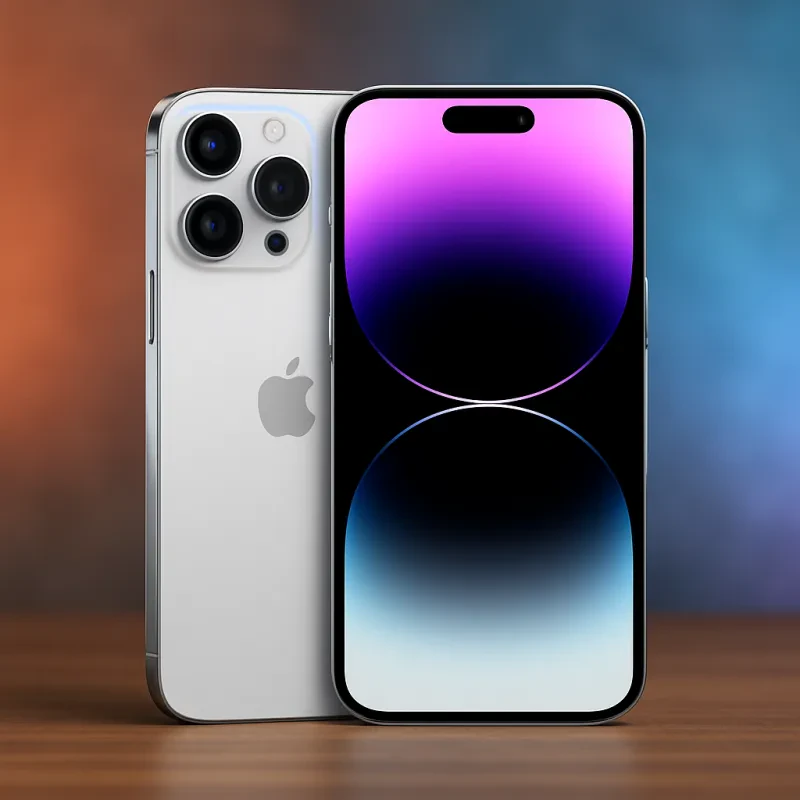
Fast forward to today, and smartphones are practically mini-computers. They have powerful processors, stunning cameras, and endless apps for just about everything. Just think about what you can do now: video call anyone, shop online, or stream your favorite shows, all from your pocket.
The design also changed dramatically. From flip phones to sleek all-glass designs, manufacturers now focus on aesthetics as much as functionality. And let’s not forget the rise of tech trends like 5G connectivity, which has made everything faster and smoother.
It’s exciting to think about where smartphones will go next. With new innovations popping up all the time, who knows what we’ll be using in another ten years? One thing is for sure: they’ll keep evolving to make our lives easier and more connected.